How to Track a Shipment in Europe: Complete Delivery Tracking Guide
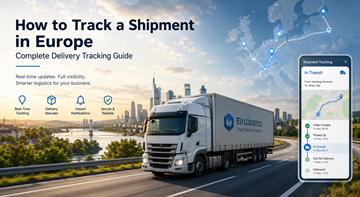
In this complete guide, you will learn how shipment tracking works, what different delivery statuses mean, how GPS and logistics technologies improve transparency, and why real-time tracking is important for both businesses and private customers across Europe.
What Is Shipment Tracking?

Shipment tracking is a system that allows customers, carriers, and logistics companies to monitor the movement and status of goods during transport. Tracking systems provide updates about where the shipment is located, what stage of transport it is in, and whether delivery is proceeding as planned.
Modern European logistics platforms use GPS tracking, driver applications, digital transport management systems, and automated notifications to provide accurate shipment visibility in real time.
- Real-time vehicle location tracking
- Transport status updates
- Estimated delivery times
- Pickup and delivery confirmations
- Driver communication
- Proof of delivery information
- Delay and exception notifications
Why Shipment Tracking Is Important
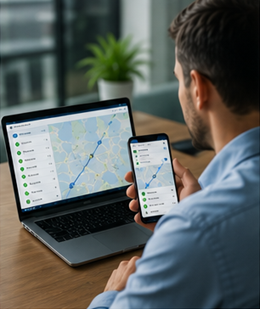
Shipment tracking improves transparency, communication, and trust between all parties involved in transport operations. Customers want to know where their goods are, while carriers and logistics companies need visibility to manage routes, delays, and delivery performance.
Real-time tracking is especially important for urgent deliveries, international transport, high-value cargo, temperature-sensitive shipments, and industrial supply chains where delays can affect business operations.
- Improves customer confidence
- Reduces uncertainty during transport
- Helps businesses plan operations
- Provides better communication
- Reduces support requests
- Improves transport efficiency
- Allows faster reaction to delays
- Creates transparency for all parties
How Shipment Tracking Works
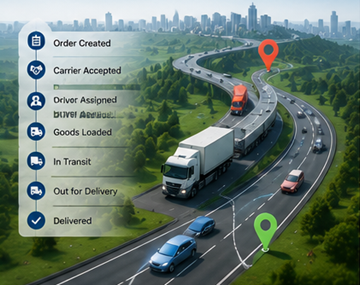
Shipment tracking combines multiple technologies and logistics systems to provide transport visibility. In most cases, the process starts when the transport order is created and continues until the goods are delivered.
Tracking data can come from driver mobile applications, GPS devices installed in vehicles, warehouse scanners, digital transport systems, and transport management platforms.
- Customer creates a transport order
- Carrier accepts the shipment
- Driver receives assignment
- Vehicle location is tracked via GPS
- Statuses are updated during transport
- Customer receives notifications and updates
- Delivery confirmation is recorded
- Shipment status changes to completed
Many logistics platforms also provide public tracking links where customers can monitor shipments without needing to log into the system.
Common Shipment Tracking Statuses Explained
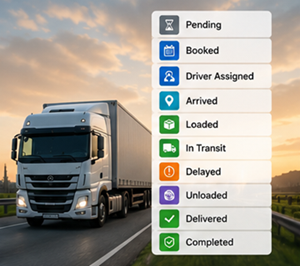
Transport and logistics systems use different statuses to show the progress of a shipment. Understanding these statuses helps customers know exactly what is happening during delivery.
- Pending — Shipment was created but not yet accepted
- Booked — Carrier accepted the transport order
- Driver Assigned — Driver and vehicle were selected
- Arrived — Driver arrived at pickup location
- Loaded — Goods were loaded into the vehicle
- In Transit — Shipment is moving toward destination
- Delayed — Transport delay occurred
- Customs Clearance — Shipment is being processed at customs
- Unloaded — Goods were unloaded at destination
- Delivered — Shipment reached the receiver
- Completed — Transport process fully finished
Some logistics systems also include advanced statuses such as waiting for documents, route changed, additional costs proposed, delivery attempt failed, or payment confirmed.
Real-Time GPS Tracking in Logistics
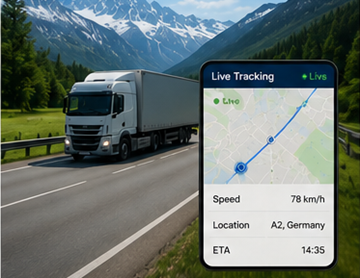
GPS tracking allows logistics companies and customers to see the approximate location of vehicles in real time. This technology is widely used in European road transport for vans, trucks, express couriers, and fleet operations.
Modern tracking systems can display live maps, estimated arrival times, route progress, traffic delays, and location history.
- Live vehicle positions
- Route monitoring
- Traffic delay detection
- Estimated arrival calculations
- Fleet management optimization
- Driver activity monitoring
- Improved delivery planning
Shipment Tracking for International Transport
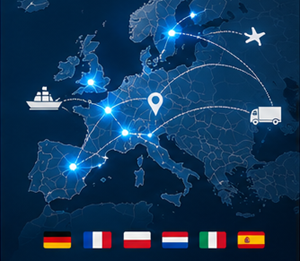
International transport tracking is more complex because shipments often cross borders, customs zones, ports, warehouses, and multiple logistics networks.
European logistics platforms increasingly provide unified tracking systems that allow customers to follow shipments across multiple countries and transport stages.
- Cross-border shipment visibility
- Customs status monitoring
- International route tracking
- Multi-country delivery updates
- Warehouse and terminal scanning
- Carrier communication tools
Tracking for Businesses and Supply Chains
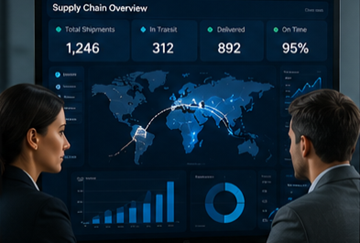
Businesses depend on tracking systems to manage inventory, warehouse planning, production schedules, and customer deliveries. Without visibility, delays and transport problems can create operational disruptions.
Supply chain tracking allows companies to monitor shipments from suppliers, manufacturers, warehouses, and transport providers in one centralized system.
- Inventory planning
- Warehouse coordination
- Production scheduling
- Delivery forecasting
- Transport performance analysis
- Customer service improvement
- Reduced operational risks
Mobile Apps and Delivery Notifications
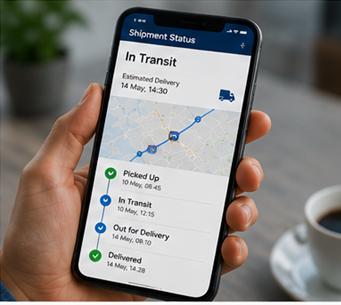
Modern logistics platforms use mobile applications and automated notifications to keep customers informed during transport operations.
Customers can receive updates through SMS, email, push notifications, or live dashboards whenever shipment statuses change.
- Pickup confirmations
- Live delivery updates
- Estimated arrival alerts
- Delay notifications
- Driver communication
- Digital proof of delivery
- Completed delivery confirmations
Challenges in Shipment Tracking
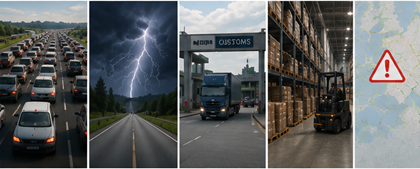
Although tracking technology has improved significantly, logistics companies still face operational challenges that can affect shipment visibility and delivery accuracy.
- Traffic congestion
- Border waiting times
- Weather disruptions
- GPS signal limitations
- Driver reporting delays
- Customs procedures
- Warehouse processing delays
- Technical system integration issues
Modern transport platforms continue investing in automation, AI route planning, and real-time communication systems to improve tracking reliability across Europe.
The Future of Shipment Tracking
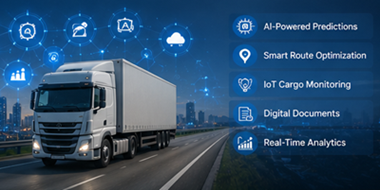
The future of shipment tracking is focused on smarter logistics systems, predictive delivery calculations, automation, and full transport transparency.
Artificial intelligence, IoT sensors, digital transport documents, and connected logistics platforms are transforming how shipments are monitored across Europe.
- AI-based delivery predictions
- Smart route optimization
- IoT cargo monitoring
- Automated transport updates
- Digital transport documents
- Real-time supply chain analytics
- Advanced fleet visibility systems
Conclusion
Shipment tracking has become a fundamental part of modern European logistics. Real-time visibility improves customer trust, transport efficiency, communication, and operational planning for businesses and carriers alike.
As logistics technologies continue evolving, shipment tracking systems will become even more accurate, automated, and integrated across European transport networks.
FAQ
What does in transit mean in shipment tracking?
In transit means the shipment is currently moving between pickup and delivery locations.
How accurate is GPS shipment tracking?
Modern GPS tracking is generally very accurate and can provide near real-time vehicle locations and estimated arrival times.
Can customers track international shipments in Europe?
Yes. Many logistics platforms provide cross-border shipment tracking across multiple European countries.
Why do shipment statuses sometimes not update immediately?
Delays may occur due to network issues, driver reporting delays, warehouse processing, customs checks, or system synchronization.
What is proof of delivery?
Proof of delivery is confirmation that the shipment was successfully delivered to the receiver. It may include signatures, photos, or digital confirmation.
Can shipment tracking help businesses reduce costs?
Yes. Better visibility allows businesses to improve planning, reduce delays, optimize routes, and improve supply chain efficiency.
What technologies are used in logistics tracking?
Common technologies include GPS tracking, mobile applications, transport management systems, IoT sensors, digital scanning, and automated notifications.
Do all shipments in Europe have live tracking?
Not all shipments have live GPS tracking, but most modern logistics providers offer at least basic status updates and delivery monitoring.
eXus Dev