Oversized Transport Guide: How Exceptional Cargo Transport Works
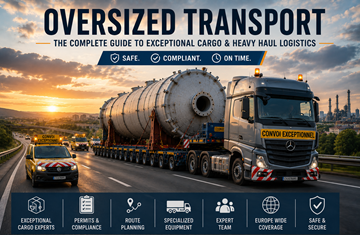
Because oversized cargo exceeds standard road transport dimensions or legal weight limits, every transport operation requires careful planning, specialized trailers, permits, escort coordination, and experienced logistics teams. In this guide, we explain how oversized transport works in Europe, which vehicles are used, what regulations apply, and why exceptional cargo logistics are essential for modern industry and infrastructure projects.
What Is Oversized Transport?
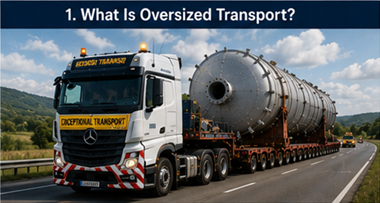
Oversized transport refers to transporting cargo that exceeds standard legal road dimensions or weight limits. These transports require specialized vehicles, permits, escort coordination, and advanced route planning.
Oversized transport is also known as exceptional transport, abnormal transport, special transport, or heavy haul logistics depending on the country and transport sector.
- Cargo exceeds legal width limits
- Cargo exceeds legal height limits
- Cargo exceeds legal weight restrictions
- Special permits are required
- Escort vehicles may be mandatory
- Transport routes often require approval
How Exceptional Cargo Transport Works
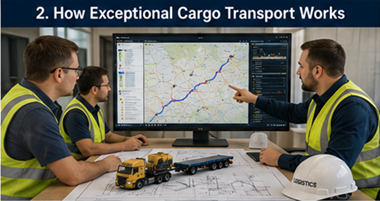
Exceptional cargo transport involves multiple stages of planning and coordination before the shipment can begin. Every oversized transport project is carefully analyzed to ensure the cargo can travel safely and legally.
Logistics teams evaluate cargo dimensions, total weight, axle distribution, loading methods, route limitations, infrastructure restrictions, escort requirements, and permit approvals.
- Cargo measurement and analysis
- Trailer and vehicle selection
- Route planning and inspection
- Permit applications
- Escort vehicle coordination
- Traffic and safety planning
Industries That Use Oversized Transport
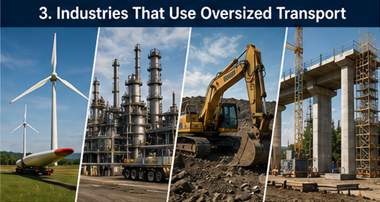
Many industries depend on oversized transport services because large industrial components cannot be divided into smaller standard freight shipments.
- Construction industry
- Renewable energy sector
- Manufacturing and heavy industry
- Mining operations
- Oil and gas projects
- Infrastructure engineering
- Agricultural machinery transport
- Marine and port logistics
Heavy haul logistics allows these industries to move critical equipment safely between ports, factories, warehouses, and construction sites.
Common Types of Oversized Cargo
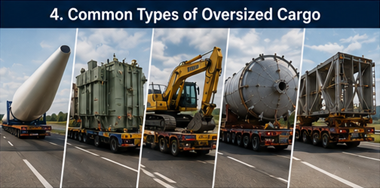
Oversized cargo can include extremely large, heavy, or unusually shaped freight that exceeds normal transport dimensions.
- Wind turbine blades
- Industrial tanks
- Large generators
- Excavators and cranes
- Transformers
- Bridge components
- Steel structures
- Mining machinery
- Prefabricated construction elements
- Oversized containers
Route Planning for Oversized Cargo
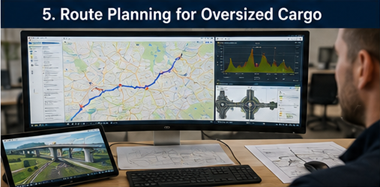
Route planning is one of the most important stages of oversized transport operations. Transport planners must ensure the cargo can safely travel across roads, bridges, tunnels, intersections, and urban areas.
Some roads may not support heavy axle loads, while certain bridges or tunnels may have height or width restrictions.
- Bridge inspections
- Tunnel clearance checks
- Road width analysis
- Traffic management planning
- Alternative route preparation
- Cross-border coordination
Permits and Legal Requirements
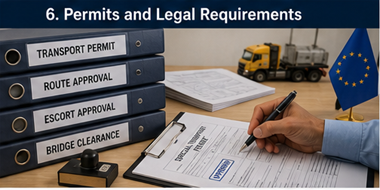
Oversized transport operations require official authorization before cargo can legally travel on public roads.
Permit systems vary between European countries, and international heavy haul transport may require approvals from multiple transport authorities.
- National transport permits
- International transport permissions
- Bridge crossing approvals
- Police escort authorization
- Municipal road permissions
- Traffic management approval
Specialized Vehicles Used in Heavy Haul Logistics
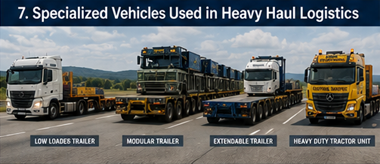
Heavy haul logistics requires specialized vehicles capable of transporting extremely heavy or oversized cargo safely over long distances.
- Low loader trailers
- Extendable trailers
- Modular trailer systems
- Multi axle heavy haul trailers
- Heavy-duty tractor units
- Crane trucks
The selected transport equipment depends on cargo dimensions, total weight, road conditions, and infrastructure limitations.
Escort Vehicles and Oversized Load Safety
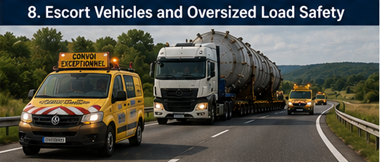
Escort vehicles play a critical role in oversized transport operations by improving safety and helping manage traffic during the journey.
Escort teams warn other drivers, monitor difficult road sections, coordinate with authorities, and assist oversized transport convoys during complex maneuvers.
- Front escort vehicles
- Rear escort vehicles
- Warning light systems
- Traffic coordination
- Safety communication
- Temporary road management
Cross-Border Heavy Haul Transport in Europe
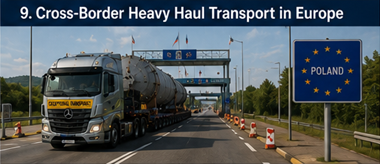
International oversized transport operations require detailed coordination between multiple countries and transport authorities.
Every country may have different permit procedures, escort regulations, transport schedules, and road restrictions.
Heavy haul logistics companies must carefully coordinate international documentation and route approvals before transport begins.
Challenges in Oversized Cargo Transport
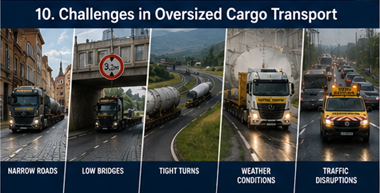
Oversized transport operations are significantly more complex than standard freight transport. Every shipment involves technical, legal, and operational challenges.
- Bridge limitations
- Road restrictions
- Urban transport difficulties
- Traffic congestion
- Weather conditions
- Cross-border regulations
- Permit delays
Technology in Modern Oversized Transport
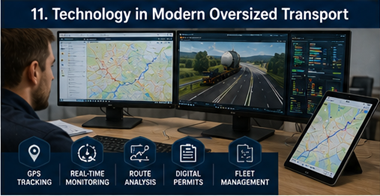
Modern oversized transport operations increasingly depend on digital logistics technology.
GPS convoy tracking, digital route simulation, transport management systems, and real-time communication tools help improve efficiency and safety during heavy haul operations.
- GPS cargo tracking
- Digital route analysis
- Fleet monitoring systems
- Electronic permit management
- Real-time logistics communication
- Heavy haul planning software
Future of Exceptional Cargo Logistics
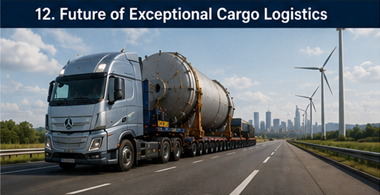
Demand for oversized transport services is expected to continue growing as Europe invests in renewable energy, infrastructure expansion, industrial modernization, and international trade.
Future heavy haul operations will likely become more digitalized, environmentally efficient, and technologically advanced while maintaining strict safety standards.
Conclusion
Oversized transport is one of the most advanced and specialized areas of modern logistics. From route planning and permits to escort coordination and specialized trailers, every heavy haul project requires careful preparation and professional expertise.
As European infrastructure and industrial projects continue expanding, exceptional cargo logistics will remain essential for transporting the oversized equipment and structures that support modern industry and economic growth.
Frequently Asked Questions
What is oversized transport?
Oversized transport refers to moving cargo that exceeds standard legal road transport dimensions or weight limits.
What is exceptional cargo?
Exceptional cargo includes oversized or heavy freight such as wind turbine blades, industrial machinery, transformers, cranes, and large construction equipment.
Why is route planning important in heavy haul transport?
Route planning helps transport companies avoid bridges, tunnels, roads, and infrastructure that cannot safely support oversized cargo.
Do oversized loads require permits?
Yes. Oversized cargo transport usually requires permits and route approvals from transport authorities.
What vehicles are used for oversized transport?
Low loaders, modular trailers, extendable trailers, multi axle heavy haul trailers, and heavy-duty tractor units are commonly used.
Why are escort vehicles used in oversized transport?
Escort vehicles improve safety, manage traffic, and help oversized cargo convoys navigate difficult road sections.
Which industries use heavy haul logistics?
Construction, renewable energy, mining, manufacturing, infrastructure engineering, and industrial sectors commonly use oversized transport services.
Can oversized transport operate internationally?
Yes. Many heavy haul logistics companies transport oversized cargo across multiple European countries using coordinated permits and route planning.
eXus Dev