Types of Warehouses Explained: Public, Private, Bonded & Smart Warehouses
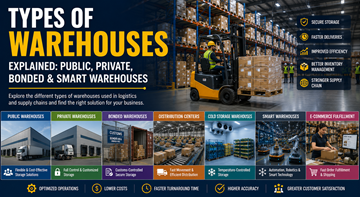
In this guide, we explain the most common warehouse types, how they work, their advantages, and which industries use them. Whether you are a logistics company, retailer, manufacturer, or e-commerce business, understanding warehouse types can help improve storage efficiency and delivery operations.
What Is a Warehouse?
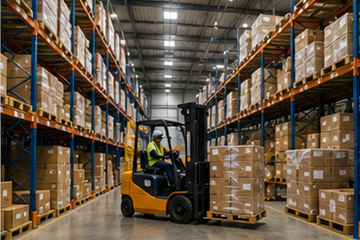
A warehouse is a facility used for storing goods, cargo, inventory, and materials before they are distributed, sold, or transported to their final destination. Warehouses help businesses manage stock levels, improve delivery speed, and organize supply chain operations.
Modern warehouses are used by transport companies, manufacturers, wholesalers, retailers, importers, exporters, and e-commerce businesses.
- Inventory storage
- Cargo handling
- Order fulfillment
- Product packaging
- Distribution operations
- Supply chain management
Why Different Warehouse Types Exist

Not every product requires the same storage conditions or logistics process. Some goods need customs control, others require refrigeration, while fast-moving e-commerce products need rapid order fulfillment systems.
Because of these operational differences, businesses use specialized warehouse types depending on product category, transport requirements, storage duration, and delivery speed.
- Temperature-sensitive goods
- Imported and exported products
- Fast-moving consumer goods
- Industrial materials
- Retail inventory
- Online store fulfillment
Public Warehouses
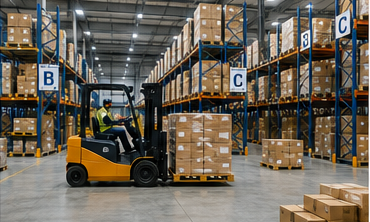
A public warehouse is a storage facility operated by a third-party logistics company and rented to businesses that need temporary or long-term storage space.
Public warehouses are commonly used by small and medium-sized businesses because they reduce the need for companies to invest in their own storage facilities.
- Flexible storage space
- Lower operational costs
- Shared logistics services
- Short-term or long-term rental options
- Professional inventory handling
Public warehouses are popular in retail, wholesale distribution, import/export operations, and seasonal inventory management.
Private Warehouses
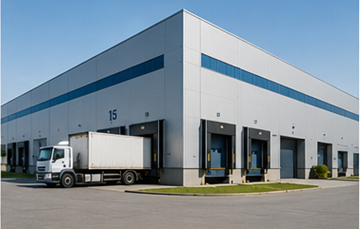
A private warehouse is owned and operated by a specific company for its own products and logistics operations.
Large manufacturers, retailers, and multinational companies often use private warehouses to gain full control over inventory, storage systems, and distribution processes.
- Full operational control
- Custom warehouse layouts
- Dedicated inventory systems
- Improved brand logistics
- Long-term cost efficiency
Although private warehouses require significant investment, they provide better customization and operational flexibility for large businesses.
Bonded Warehouses
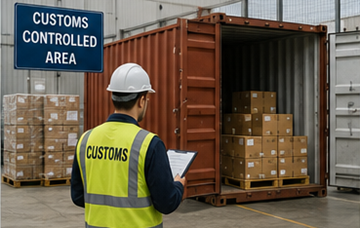
A bonded warehouse is a customs-controlled storage facility where imported goods can be stored before customs duties and taxes are paid.
These warehouses are commonly used in international trade and import/export logistics operations.
- Customs-controlled storage
- Delayed import tax payments
- Secure international cargo handling
- Support for global trade operations
- Temporary storage for imported products
Bonded warehouses help businesses manage international shipments more efficiently and improve cash flow by delaying customs payments until goods are sold or distributed.
Distribution Centers
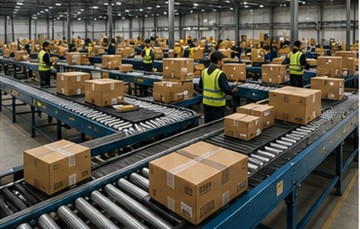
A distribution center is a warehouse focused on fast product movement rather than long-term storage.
Products arrive at the distribution center, are sorted and processed quickly, and then shipped to stores, warehouses, or customers.
- Fast inventory turnover
- High shipment volume
- Efficient transport coordination
- Regional distribution support
- Improved delivery speed
Distribution centers are commonly used by supermarkets, retail chains, courier companies, and e-commerce businesses.
Cold Storage Warehouses
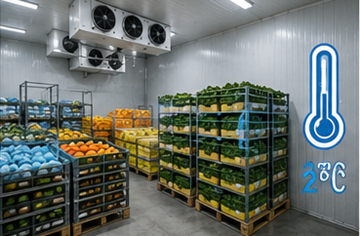
Cold storage warehouses are designed for products that require controlled temperatures during storage and distribution.
These warehouses are critical for industries such as food logistics, pharmaceuticals, healthcare, and chemical transport.
- Refrigerated storage systems
- Frozen goods management
- Temperature monitoring
- Food safety compliance
- Pharmaceutical product protection
Cold chain logistics depends heavily on specialized refrigerated warehouses to maintain product quality and safety.
Smart Warehouses
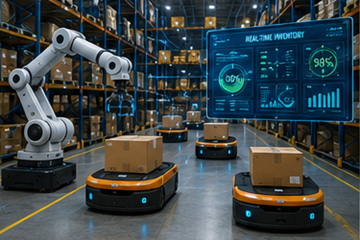
Smart warehouses use advanced technologies such as automation, robotics, artificial intelligence, and digital inventory systems to improve warehouse efficiency.
Automation reduces manual work and helps companies process orders faster with fewer errors.
- Warehouse robots
- AI inventory tracking
- Automated picking systems
- Real-time stock monitoring
- Digital warehouse management
- Smart analytics and forecasting
Smart warehouses are becoming increasingly popular in modern logistics due to rising e-commerce demand and faster delivery expectations.
E-Commerce Fulfillment Centers
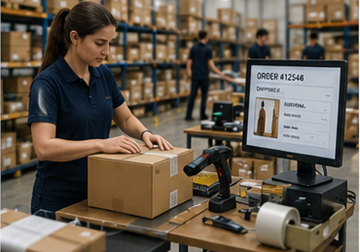
Fulfillment centers are warehouses specialized in processing online orders for e-commerce businesses.
When customers place orders online, fulfillment centers pick, pack, label, and ship products through courier and transport networks.
- Fast order fulfillment
- Parcel sorting and packaging
- Returns management
- Courier integration
- Real-time inventory updates
Large online retailers and marketplace platforms depend heavily on fulfillment warehouses to support rapid delivery operations.
How Businesses Choose the Right Warehouse

Choosing the right warehouse depends on product type, business size, delivery requirements, and logistics strategy.
Companies often evaluate storage costs, location, transport access, technology systems, and operational flexibility before selecting a warehouse solution.
- Product category
- Storage duration
- Transport connections
- Inventory size
- Delivery speed expectations
- Customs requirements
- Technology and automation needs
Advantages of Modern Warehousing
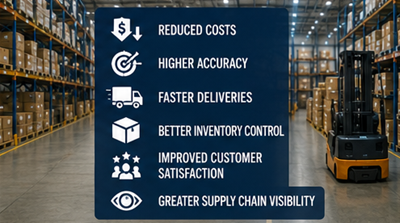
Modern warehousing improves logistics efficiency, delivery speed, and inventory management across supply chains.
- Reduced operational delays
- Better inventory accuracy
- Faster deliveries
- Lower transportation costs
- Improved customer satisfaction
- Safer cargo storage
- Enhanced supply chain visibility
As logistics technology continues to evolve, warehouses are becoming smarter, faster, and more connected to transport networks across Europe.
Conclusion
Warehouses are a critical part of global logistics and supply chain operations. Different warehouse types help businesses manage inventory, support transport operations, and improve product distribution efficiency.
From public warehouses and bonded storage facilities to highly automated smart warehouses, each warehouse type serves specific operational needs in modern logistics.
FAQ
What is the difference between a public and private warehouse?
A public warehouse is rented from a third-party logistics provider, while a private warehouse is owned and operated by a specific company.
What is a bonded warehouse used for?
Bonded warehouses store imported goods under customs control until duties and taxes are paid.
What industries use cold storage warehouses?
Cold storage warehouses are commonly used in food logistics, pharmaceuticals, healthcare, and chemical industries.
What is a smart warehouse?
A smart warehouse uses automation, robotics, digital inventory systems, and AI technologies to improve warehouse operations.
What is a fulfillment center?
A fulfillment center is a warehouse specialized in processing online customer orders and preparing them for shipment.
Why are warehouses important in logistics?
Warehouses help businesses store inventory safely, improve delivery speed, reduce transport delays, and manage supply chain operations efficiently.
eXus Dev